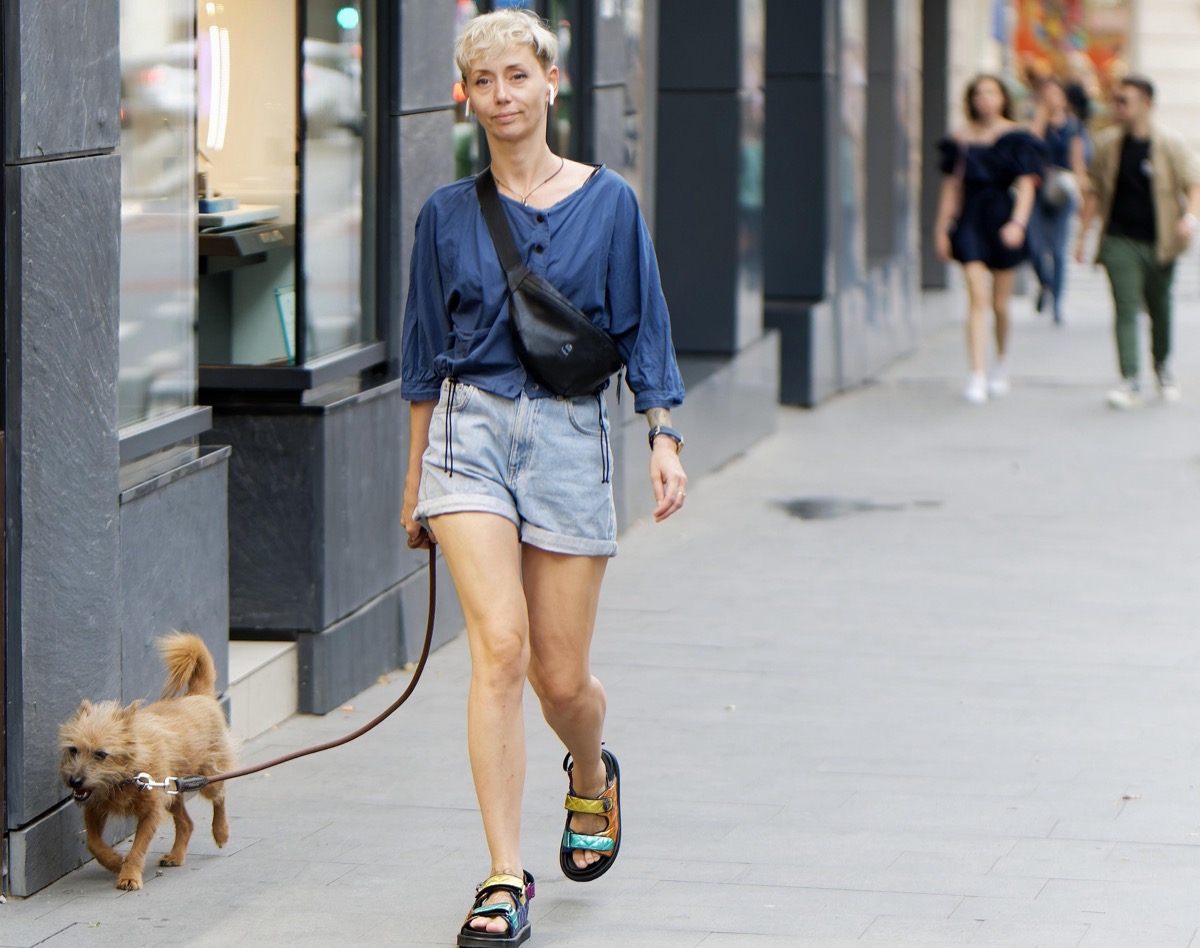
If you've ever walked through Washington Park on a Saturday, you know Sunnyvale is basically run by dogs. You'll see everything from Aussies sprinting after frisbees to Chihuahuas making their rounds by the duck pond. It's a great scene, but let's be real: living in Silicon Valley adds a layer of stress to pet ownership. We're all busy, we're often tethered to our phones, and we expect things to work, including our dogs. In a place this crowded, a dog that listens isn't a luxury; it's the only way to survive a trip to a pet-friendly office or a packed cafe without a meltdown. But finding the person to help you get there? That often feels as painful as the 101 at 8:30 AM.
When you look for a dog trainer in Sunnyvale, you aren't just buying a service. You're looking for a partner. I've seen people approach this like they're vetting a new SaaS vendor, all spreadsheets and data points. While metrics matter, you can't overlook "dog sense." Does the trainer actually like dogs? Do dogs like them? Grab a coffee at Bean Scene, pull up some listings, and remember: you want someone whose methods are actually rooted in science, not just someone with a loud voice and a "pack leader" complex.
The Sunnyvale training scene
We have plenty of options here. You can go the big corporate route near the Town Center or find a boutique consultant who will meet you at Las Palmas Park. To make the right choice, you have to be honest about what your dog actually needs. Does your Golden Retriever puppy just need to learn that "sit" isn't a suggestion? Or did you pull a rescue from the Sunnyvale Animal Shelter who wants to lunge at every dog on the Stevens Creek Trail? There is a massive gap between teaching "stay" and fixing deep reactivity. Many trainers are great at the basics in a quiet room but fall apart when actual aggression or separation anxiety enters the mix.
Be skeptical of the jargon. The industry is split, and as a Sunnyvale dog owner, you want the humane stuff. Positive reinforcement isn't just a "nice" way to train; it's the gold standard for a reason. It's about rewarding the good things instead of just waiting to pounce on a mistake. If a trainer calls themselves "force-free" or "R+," they're using modern behavioral science. If they talk about "balanced training," ask them exactly what they do when a dog fails. In a town that prides itself on being forward-thinking, sticking to outdated, punishment-based methods just doesn't make sense.
Your lifestyle is also a factor. If you're planning to bring your pup into a Moffett Park office, you need a Sunnyvale dog trainer who understands "office etiquette," staying calm during a stand-up meeting is a specific skill. If you hit the Sunnyvale Farmers Market on weekends, your dog has to handle bikes, crowds, and the smell of kettle corn without losing it. Look for trainers who do "real world" sessions in these spots. A dog that is perfect in a backyard but a disaster at the market isn't actually trained.
Vetting and red flags
Here's the scary part: literally anyone can call themselves a dog trainer. There's zero regulation. This is why you have to do your homework. Look for credentials like CPDT-KA or IAABC. These aren't just alphabet soup; they mean the trainer passed actual tests and follows an ethical code. If their website is vague or they claim to have a "secret method," run. Also, anyone still talking about "dominance theory" or being the "alpha" is using debunked science from the 1970s. It's a huge red flag.
Other warning signs are less obvious. If someone's first instinct is to put a prong collar or an e-collar on your dog, they're choosing intimidation over teaching. It's a shortcut that often backfires, creating fear or even more aggression down the line. And if they "guarantee" results? They're lying. Dogs are living beings with moods and triggers. You can't guarantee a dog will "never bark again" any more than you can guarantee you'll never be annoyed again. It's marketing fluff, not reality.
Go watch a class before you commit. Most reputable trainers in the area will let you sit in near the Community Center without your dog. Look at the animals. Are they happy and engaged, or are they slinking around with their tails tucked? Look at the owners, too. Do they look like they're actually learning, or just struggling? A good trainer is a teacher for the humans. They should explain the "why" behind an exercise in plain English, even if you've spent your whole day looking at code. If they're rude to the owners or rough with the dogs, keep looking.
Local hooks and community
Talk to people. The regulars at the Heatherstone Park dog area or the Butcher Dog Park usually have the real dirt on who is good and who is a nightmare. Your vet at Sunnyvale Veterinary Clinic is another great resource; they see the results of both good and bad training every day. They might even know about "Puppy Kindergarten" or "Reactive Rover" groups that don't show up on a Google search.
Check out the City of Sunnyvale Parks and Rec programs too. They sometimes offer budget-friendly obedience classes. They can be a bit crowded, but they're great for teaching your dog to focus while a dozen other things are happening nearby. If you're looking at "board and train" spots in the South Bay, be extra careful. You need to be able to drop in unannounced to make sure they're actually using the positive methods they promised.
Think about the logistics. Traffic on El Camino Real is no joke, and if it takes 40 minutes to get to a session, you probably won't go. Many of the best people will come to you. This is usually better anyway because it lets the trainer see the "home version" of your dog. Whether they're trash-diving in the Heritage District or barking at the mailman in Birdland, fixing the problem where it happens is always faster. When you choose dog trainer Sunnyvale locals trust, you're setting yourself up for a much better life together. It's about more than just a "sit" command; it's about finally understanding what your dog is trying to tell you.